OPINION ESSAY
For Rohingya, ICJ Judgment Must Mark the Beginning of Justice, Not Its End
As the International Court of Justice prepares to rule on The Gambia’s genocide case against Myanmar, Rohingya survivors are looking beyond the courtroom for accountability, recognition and the right to return home.
EDITOR’S NOTE: This is an opinion essay. The views expressed are the author’s own. The ICJ is scheduled to deliver its judgment on 19 November 2026 at 10 a.m. in The Hague (3 p.m. in Dhaka). The essay was written before the ruling.
The International Court of Justice (ICJ) will deliver a landmark judgment on 19 November on whether Myanmar violated the 1948 Genocide Convention through its treatment of the Rohingya. For a community that has endured decades of persecution, statelessness and forced displacement, the decision carries significance far beyond the courtroom.
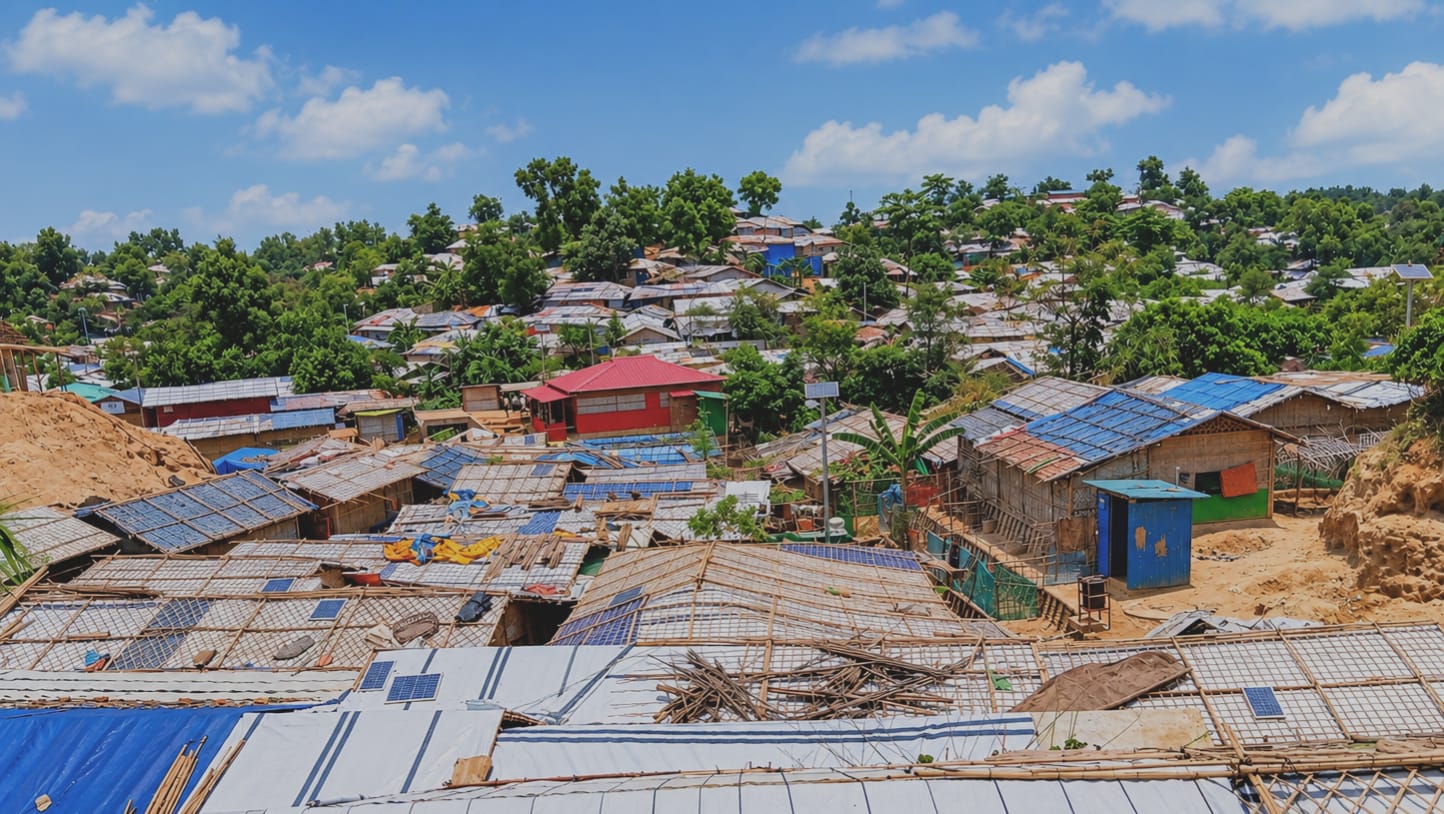
The case, brought by The Gambia in 2019, has taken seven years to reach this stage. During that time, more than a million Rohingya refugees have continued living in Bangladesh, while others remain displaced inside Myanmar. For many survivors, the wait for justice has become another part of an already painful history.
As a Rohingya, I see this judgment as an important moment for our community. But I also believe the international community must look beyond the decision itself. Whether the ruling favours The Gambia or not, the fundamental questions remain: who will be held accountable, how will survivors receive justice, and when will the Rohingya be able to return to their homeland with their rights restored?
What the Judgment Can and Cannot Do
A favourable judgment against Myanmar would be a significant step. It would strengthen international recognition of the state’s responsibility under the Genocide Convention and establish an important legal record. Yet it would not automatically bring individual perpetrators before a criminal court, restore citizenship or enable refugees to return home.
The ICJ decides the responsibility of states, not the individual criminal guilt of military commanders or political leaders. That distinction matters. Pursuing individual accountability will need further legal action, investigations, and cooperation between international institutions and national authorities.
What Justice Means for Survivors
For survivors, accountability means more than a declaration by an international court. It means knowing what happened to missing family members, seeing those responsible face justice, and having the chance to rebuild lives destroyed by violence and displacement.
Those who planned, ordered or committed international crimes must face independent investigations and fair legal proceedings. But accountability must also address the wider system of discrimination that has denied the Rohingya citizenship, freedom of movement and equal access to basic rights for decades.
The ruling must also lead to practical measures for survivors. These should include reparations, rehabilitation, protection of evidence and guarantees against further persecution. Any future return to Myanmar must be voluntary, safe and dignified, with citizenship, freedom of movement and equal rights. Sending refugees back without addressing the conditions that forced them to flee would not be a lasting solution.
If the Verdict Disappoints
The judgment may not meet survivors’ expectations. A negative outcome would bring disappointment to people who have waited years for international recognition of their suffering. Some have shared deeply painful experiences with investigators and legal representatives, hoping their testimony would help establish the truth.
But a disappointing judgment must not become the end of the Rohingya pursuit of justice. The community must carefully examine the Court’s reasoning, understand its legal implications and continue pursuing other available accountability mechanisms. Documentation of crimes must be preserved and survivors’ testimonies protected. Rohingya organisations, legal experts, youth groups and human rights defenders all have a role in keeping the struggle peaceful, informed and united.
The history of the Rohingya cannot be erased by one legal decision. Nor can the rights of a community depend entirely on the outcome of a single case.
The Weight of Waiting
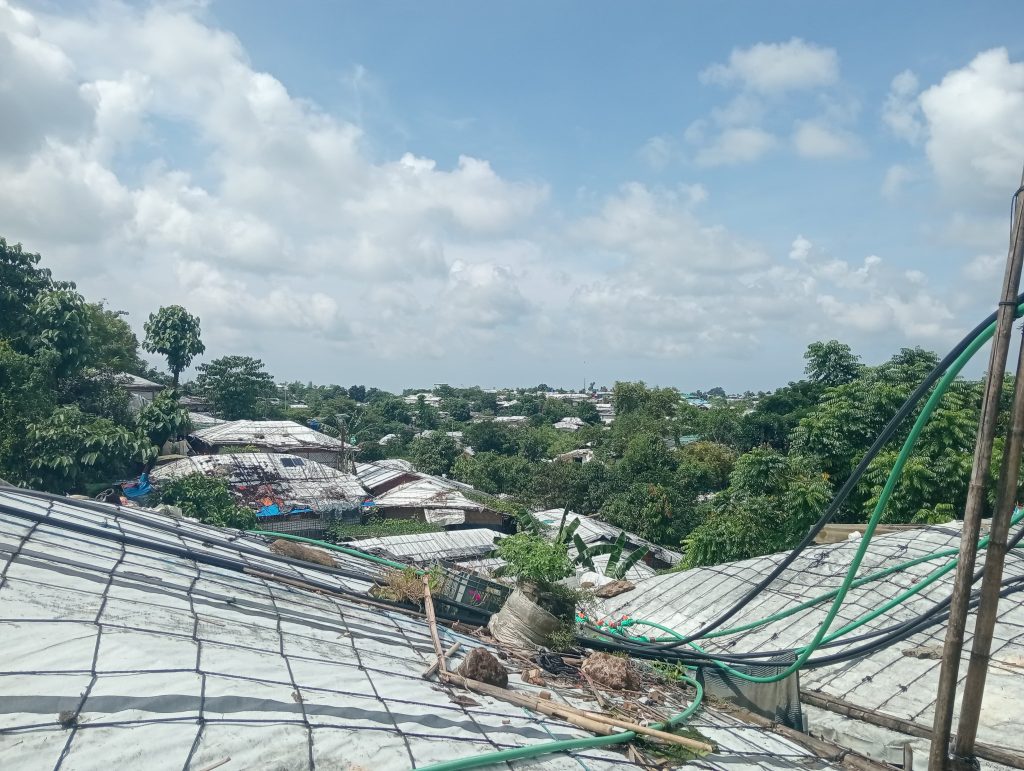
The delay has already placed a heavy burden on survivors. Children have spent much of their lives in refugee camps, families remain separated, and many people have lost their homes, livelihoods and opportunities. Each additional year of uncertainty makes rebuilding their lives more difficult.
For survivors who have testified, the process can also mean revisiting traumatic memories of violence, sexual abuse, family separation and the loss of loved ones. They have spoken because they want the world to understand what happened, but they should not be left to carry the responsibility for justice alone. They need protection, psychological support and meaningful opportunities to rebuild their lives.
A Shared Responsibility
The international community must remain engaged, whatever the judgment. Governments should continue supporting accountability efforts, protecting civilians and ensuring that humanitarian assistance reaches displaced communities. International institutions must also keep their attention on the conditions facing Rohingya inside Myanmar and those living as refugees in neighbouring countries.
For the Rohingya, the question is not simply whether Myanmar will be held responsible under international law. It is whether the consequences of that decision will reach the people whose lives have been affected.
Our community must also take responsibility for preserving its own history. The voices of survivors, elders, women and young people must be documented, with their consent, and passed on to future generations. Rohingya people should not remain merely the subject of international reports and discussions. We must have a meaningful role in shaping decisions about our future.
I often think about the younger generation growing up in refugee camps. Many children know their homeland only through the stories of their parents and grandparents. They deserve more than a future defined by displacement and uncertainty. They deserve education, freedom, security and the opportunity to live with dignity.
Waiting for Justice
The ICJ judgment may become a defining moment in the history of the Rohingya struggle. But its real importance will depend on what follows. A favourable ruling must lead to concrete action. An unfavourable ruling must not provide an excuse for silence. Neither outcome should weaken the international community’s responsibility to protect human rights and pursue accountability.
We are not asking for sympathy alone. We are asking for truth, justice, recognition, equal rights and the opportunity to return to our homeland safely and with dignity.
For the Rohingya, justice will not be complete when the judges deliver their decision in The Hague. It will be meaningful when survivors can rebuild their lives, families can return home and the next generation can live without fear of persecution.
The world will be watching. We, the Rohingya, will be waiting for justice.
About the Author:
Mohammed Imran is a Rohingya humanitarian worker, photojournalist, author and director of program and community development at CSD. He has authored two books and works for community development and Rohingya storytelling through CSD.